


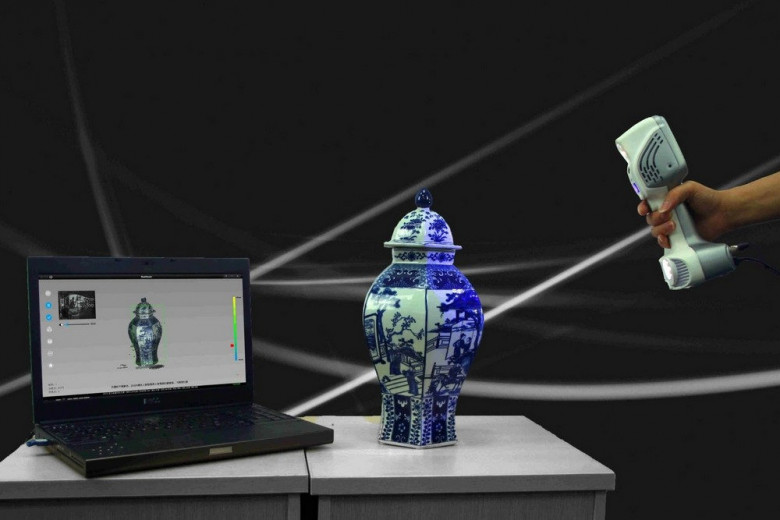
The construction industry is increasingly adopting cutting-edge technologies to enhance the precision and productivity of building projects. One such innovation is 3d scanning, a game-changing tool that is revolutionizing how structures are designed, built, and maintained. By improving accuracy and efficiency, 3D scanning is helping construction teams streamline workflows and reduce errors. In this article, we’ll explore how 3D scanning is transforming the construction industry and the benefits it offers.
What is 3D Scanning in Construction?
3D scanning in construction refers to the process of capturing precise, three-dimensional digital models of physical environments or structures. Using laser scanners or photogrammetry techniques, this technology generates highly detailed, accurate, and scalable data. These digital models, often referred to as point clouds, can be used for a variety of purposes, including design, planning, quality control, and ongoing maintenance.
Benefits of 3D Scanning in Construction
1. Improved Accuracy
One of the most significant advantages of 3D scanning in construction is its ability to provide incredibly accurate measurements. Traditional methods of measuring and recording dimensions often leave room for human error, but 3D scanning eliminates this risk. The data collected is highly precise, ensuring that architects, engineers, and construction teams work from a reliable source. This level of accuracy helps prevent costly mistakes that could arise from inaccurate measurements.
2. Faster Project Timelines
3D scanning accelerates the construction process by reducing the time needed for manual measurements and inspections. Instead of spending hours measuring and cross-checking dimensions, construction professionals can quickly capture an entire site’s layout within minutes. This enables faster decision-making and helps keep the project on schedule, ultimately saving both time and money.
3. Enhanced Collaboration and Communication
By creating detailed 3D models, 3D scanning in construction allows all project stakeholders, including architects, engineers, contractors, and clients, to collaborate more effectively. These digital models can be shared in real time, helping everyone stay on the same page. The ability to visually explore the site or structure from different angles and perspectives enhances communication and reduces misunderstandings.
4. Streamlined Quality Control
Maintaining quality standards is crucial to the success of any construction project. 3D scanning helps ensure that the construction process aligns with the original design by providing accurate as-built documentation. If there are any discrepancies between the design and the actual construction, 3D scanning can quickly detect these issues, enabling timely adjustments and minimizing costly rework.
Applications of 3D Scanning in Construction
A. Site Surveys and As-Built Documentation
One of the primary uses of 3D scanning in construction is for site surveys and creating as-built documentation. Traditional survey methods are often time-consuming and subject to human error. With 3D scanning, construction professionals can capture comprehensive, real-time data about the site, including building facades, terrain, and surrounding infrastructure. This data serves as a valuable resource for planning, design, and construction.
B. Building Information Modeling (BIM)
3D scanning plays a pivotal role in Building Information Modeling (BIM), a digital representation of the physical and functional characteristics of a building. By integrating 3D scan data into BIM, construction teams can create more accurate and detailed models. This improves the design and construction process, leading to better-informed decision-making and reducing errors during the construction phase.
C. Renovation and Retrofit Projects
In renovation or retrofit projects, 3D scanning is especially useful for capturing existing conditions of a structure before beginning any modifications. The accuracy of 3D scanning allows for precise measurements of old or complex structures, helping architects and contractors plan renovations or updates with a high level of confidence. It reduces the risk of unforeseen issues during construction, making the process smoother and more predictable.
Conclusion: A Smart Investment for the Future of Construction
As the construction industry embraces new technologies, 3D scanning in construction stands out as a powerful tool that improves both accuracy and efficiency. From enhancing precision in measurements to streamlining workflows and improving collaboration, 3D scanning is transforming how construction projects are managed and executed. With its ability to capture detailed, real-time data, this technology promises to reduce costs, increase productivity, and deliver better-quality results.
