


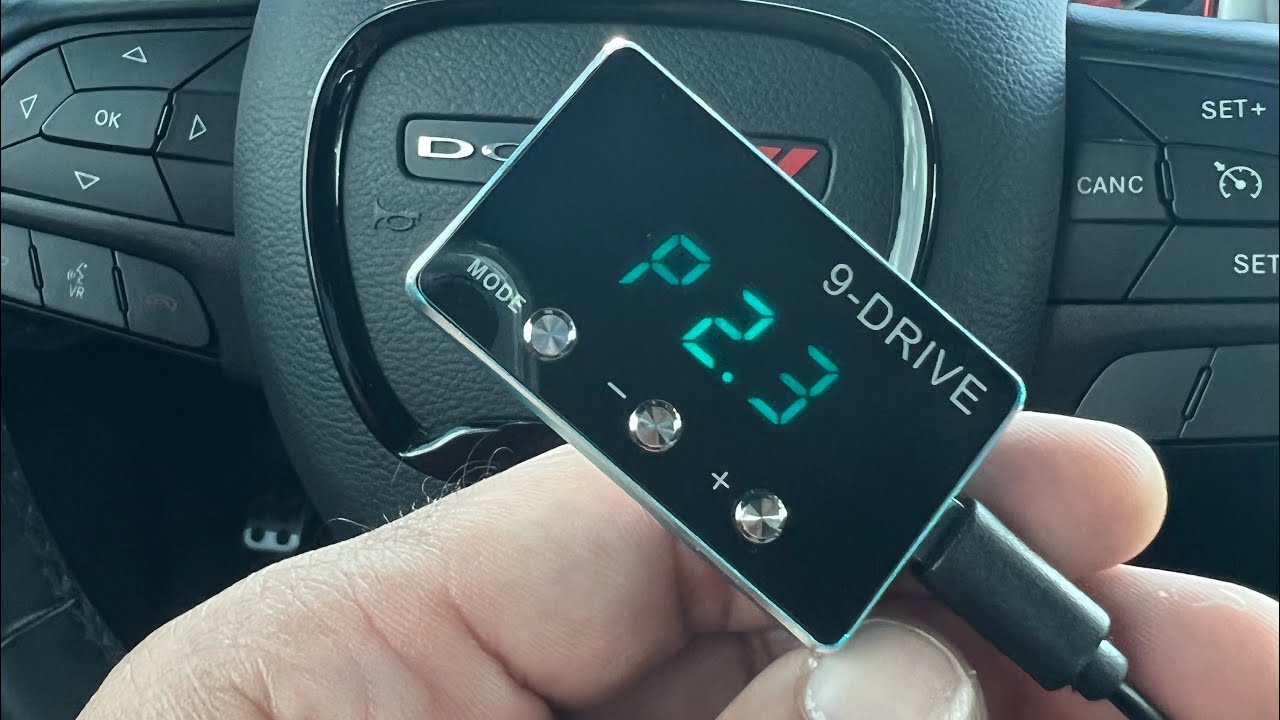
Navigating the diverse landscapes of Australia requires a vehicle that is as responsive as it is reliable. Whether you are tackling the steep inclines of the Great Dividing Range, navigating the stop-start congestion of Sydney’s CBD, or overtaking a road train on the Nullarbor, the way your vehicle responds to your input is critical.
For many modern drivers, however, there is a noticeable “lag” between pressing the accelerator and the engine actually engaging. This is where the throttle controller comes into play.
In this article, we explore how this simple plug-and-play device can transform your driving experience, backed by Australian automotive trends and safety considerations.
Understanding the “Fly-by-Wire” System
Most vehicles manufactured in the last two decades have moved away from traditional mechanical throttle cables. Instead, they use an electronic “fly-by-wire” system. When you press the pedal, a sensor sends a signal to the engine control unit (ECU), which then tells the throttle body to open.
Manufacturers often program a deliberate delay into this signal to ensure a smoother ride for the average commuter and to assist with fuel economy ratings. However, for those towing heavy loads or needing immediate power to merge into fast-moving traffic, this delay can be frustrating and, at times, hazardous. A throttle controller allows you to bypass these factory settings, providing a customisable response that suits your specific driving style.
Why Australian Drivers are Making the Switch
The Australian automotive landscape is unique. According to data from the Australian Bureau of Statistics (ABS), there were over 21 million registered motor vehicles in Australia as of early 2023. A significant portion of these are Light Commercial Vehicles (LCVs) and SUVs, which are frequently used for both work and recreation.
For owners of popular Australian models like the Toyota HiLux, Ford Ranger, or Isuzu D-MAX, a throttle controller is often the first modification installed. Here is why:
1. Improved Towing Capability
Australia is a nation of caravanners. Data from the Caravan Industry Association of Australia suggests that there are over 770,000 registered RVs across the country. Towing a three-tonne caravan requires precision. When you need to move from a standstill on an incline, you don’t want to be waiting for the ECU to “decide” to give you power. A throttle controller allows for a sharper initial response, making the process of moving heavy loads much more manageable.
2. Safer Overtaking
Overtaking on regional Australian highways requires confidence. If you misjudge the acceleration lag of your vehicle, you may find yourself in a vulnerable position in the oncoming lane for longer than necessary. By eliminating the dead spot in the pedal’s arc, you gain immediate access to the engine’s power band.
3. Off-Road Control
Conversely, throttle controllers aren’t just about going faster. High-quality units offer “Economy” or “Crawl” modes. When navigating technical 4WD tracks—such as those found in the Victorian High Country—too much throttle response can cause the wheels to spin and lose traction. By dampening the signal, a throttle controller provides the finesse needed for rock crawling or beach driving.
The Safety and Efficiency Factor
Safety is a paramount concern for the Department of Infrastructure, Transport, Regional Development, Communications and the Arts. While throttle controllers do not increase a vehicle’s overall horsepower, they improve the “driveability.” By allowing a driver to better predict how their vehicle will react, they reduce the stress associated with merging and heavy-traffic manoeuvres.
Furthermore, while some worry that a more responsive throttle leads to higher fuel consumption, many Australian users find the opposite. By reaching cruising speed more efficiently and utilising specific “Eco” modes during city driving, motorists can actually optimising their fuel usage. Given that the Australian Institute of Petroleum has tracked significant fluctuations in fuel prices over the last 24 months, any tool that helps a driver manage their consumption is a welcome addition.
Easy Installation and Customisation
One of the greatest appeals of the modern throttle controller is that it is a non-permanent modification. Most units are designed to plug directly into the existing factory harness behind the accelerator pedal. This means there is no cutting of wires and no permanent changes to the vehicle’s ECU, making it a “warranty-friendly” option for many.
Conclusion
As Australian roads become more crowded and our adventures take us further into the outback, the demand for vehicle customisation continues to grow. A throttle controller is perhaps the most cost-effective way to personalising your vehicle’s performance.
Whether you are looking to eliminate lag for a more spirited daily commute or seeking better control while towing through the Red Centre, this small device offers a world of difference. It’s about taking the “standard” out of your vehicle and making it work specifically for you.
