


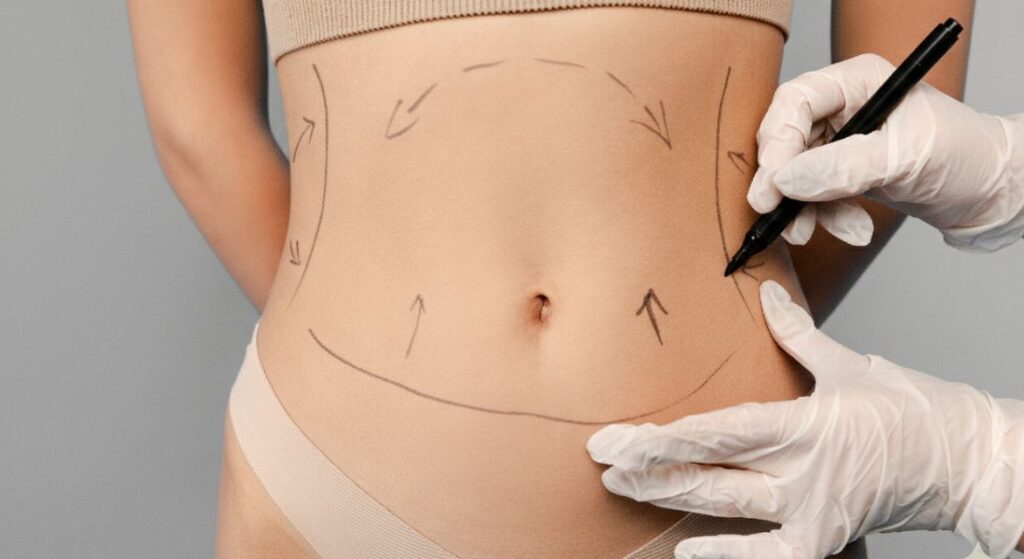
Liposuction is often misunderstood as a way to lose weight quickly. In reality, its primary purpose is body contouring—removing localized deposits of subcutaneous fat to create more balanced proportions. Medical guidance consistently describes liposuction as a contouring procedure rather than an alternative to healthy weight-management methods.
What Liposuction Actually Changes
Liposuction targets fat stored beneath the skin in specific areas of the body. Common treatment areas include the abdomen, waist, hips, thighs, arms, back, chin, and neck. By selectively reducing fullness in these areas, the procedure can help create a smoother transition between different parts of the body.
The goal is therefore not necessarily to make the number on the scale dramatically smaller. Instead, the focus is on improving shape, proportion, and definition. Someone may experience only a modest change in body weight while noticing a significant difference in how clothing fits or how certain body contours appear.
Why Stubborn Fat Can Affect Body Proportions
Diet and exercise are essential for maintaining overall health and managing body weight, but they do not always change where the body naturally stores fat. Genetics, aging, hormones, and individual body composition can influence whether certain areas remain fuller even when a person maintains a relatively stable weight.
Liposuction can address some of these localized deposits when they are resistant to lifestyle changes. This makes it particularly relevant for people who are already reasonably close to their desired weight but want to refine specific areas.
From Fullness to Definition
One of the most important distinctions is that liposuction can change the distribution of volume beneath the skin. For example, reducing excess fat around the waist may make the waistline appear more defined. Treating certain areas of the abdomen can create a flatter-looking profile, while carefully reducing fullness in the thighs or hips can improve overall proportion.
These changes are highly dependent on individual anatomy. A skilled surgeon considers the amount and location of fat, the quality of the skin, and the relationship between neighboring body areas rather than simply removing as much fat as possible.
Skin Elasticity Matters
Removing fat does not automatically guarantee perfectly tight skin. After treatment, the skin needs to adapt to the new underlying contour. People with good skin elasticity generally have a better ability for the skin to conform to the altered shape. Skin that has lost significant elasticity because of aging, substantial weight changes, or other factors may remain loose after fat removal.
For this reason, consultation should involve an assessment of skin quality as well as the amount of unwanted fat. In some cases, a person with substantial loose skin may need a different or additional body-contouring procedure rather than liposuction alone.
Where Smart Lipo May Fit Into Body Contouring
Laser-assisted techniques are another approach to liposuction in which laser energy is used to help break down fat before it is removed. These techniques are still forms of body contouring, not weight-control treatments.
For someone researching smart lipo Woodlands, the important question should be whether the technique matches their anatomy, goals, skin characteristics, and overall health—not simply whether it promises a smaller body size. A qualified surgeon can explain the potential benefits and limitations of the specific technique recommended.
Lipo Is Not a Treatment for Obesity
Liposuction should not be viewed as a replacement for nutrition, physical activity, or medically appropriate weight-management treatment. It primarily addresses localized subcutaneous fat and does not remove visceral fat surrounding the internal abdominal organs.
This distinction helps establish realistic expectations. Someone seeking significant overall weight reduction may need a comprehensive weight-management plan instead of, or before considering, a cosmetic contouring procedure.
Maintaining the New Contours
Fat cells removed during liposuction are permanently removed from the treated area, but this does not make a person immune to future weight gain. Remaining fat cells can enlarge if overall body weight increases. Maintaining a stable weight and healthy lifestyle can therefore help preserve the changes achieved through treatment.
Liposuction should be considered one component of a broader approach to maintaining body composition rather than a permanent solution to unhealthy weight gain.
Choosing Realistic Goals
Good candidates generally have specific concerns about localized fat deposits, relatively stable weight, good overall health, and realistic expectations about what the procedure can accomplish. Skin elasticity and individual anatomy are also important considerations.
During a consultation, patients should discuss their desired outcome, treatment areas, potential alternatives, recovery requirements, and possible complications. Liposuction is surgery and can involve risks such as bleeding, infection, fluid accumulation, changes in sensation, contour irregularities, and blood clots.
The Bigger Picture: Reshaping Rather Than Shrinking
The most useful way to understand liposuction is to think of it as a sculpting procedure rather than a weight-loss procedure. Its value lies in selectively refining areas where unwanted fat affects proportions, helping create a more balanced silhouette.
When expectations are realistic and treatment is appropriately planned, the emphasis shifts away from chasing a particular number on the scale and toward achieving a body shape that better reflects the individual’s goals and natural proportions.
