


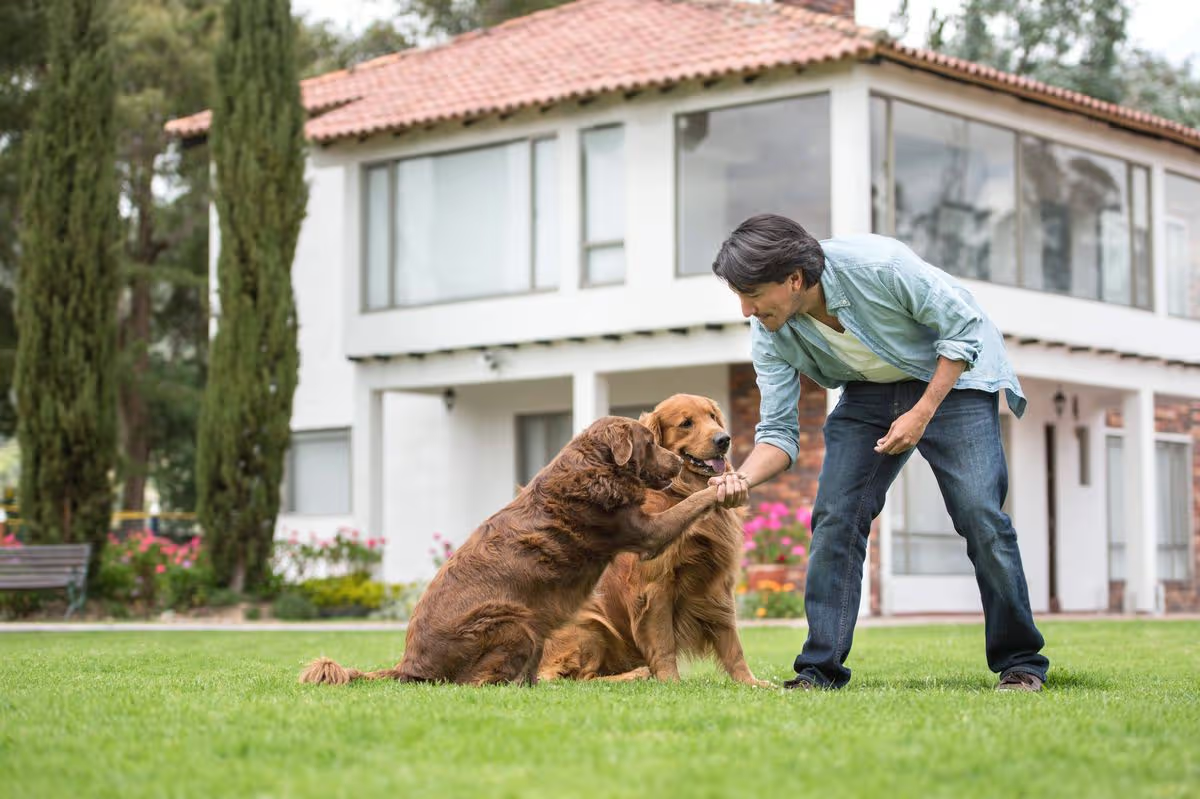
Professional canine handling services can help dog owners develop better obedience, improve everyday manners, and manage challenging behaviors with greater confidence. From leash pulling and jumping to inconsistent responses around distractions, appropriate training gives dogs clearer expectations and owners practical ways to encourage better behavior.
For families in Phoenix, Scottsdale, and surrounding Arizona communities, finding the right training approach can make daily life with a dog more manageable. Rob’s Dog Training provides several options, including private training lessons, board-and-train programs, and dog boarding, allowing owners to explore services that match their dog’s needs and household routines.
Why Professional Canine Handling Services Matter
Canine handling involves guiding a dog’s behavior through clear communication, consistent expectations, and appropriate training techniques. Dogs must learn to respond not only in familiar surroundings but also when encountering unfamiliar people, other animals, and everyday distractions.
Without consistent guidance, behaviors such as pulling on a leash, jumping on visitors, or ignoring commands may become difficult to manage. Professional instruction helps owners understand these challenges and develop practical strategies for addressing them.
Effective training can support several important goals:
- Improved obedience: Reinforce commands such as sit, stay, down, and come.
- Better leash manners: Encourage calmer walks and more manageable movement.
- Impulse control: Help dogs practice waiting, settling, and responding appropriately.
- Behavior management: Address unwanted habits through structured instruction.
- Stronger communication: Teach owners how to give clear cues and reinforce desired responses.
Training requirements vary according to a dog’s age, temperament, previous experiences, and behavioral history. A personalized approach can help establish realistic goals and identify suitable next steps.
Choosing the Right Dog Training Program
Professional canine handling services are not limited to a single training format. Some dogs benefit from intensive instruction in a structured environment, while others make progress through individual lessons with their owners.
Rob’s Dogs offers board-and-train programs and private lessons, alongside boarding services. Understanding the differences between these options can help owners make an informed decision.
Board-and-Train Programs for Structured Learning
A board-and-train program combines a dog’s stay at a training facility with regular professional instruction. According to Rob’s Dogs, its program focuses on obedience, manners, and behavior correction through an immersive training experience.
This option may suit owners with demanding schedules who want their dogs to receive structured instruction during a dedicated stay. The program also includes guidance for owners when their dogs return home, helping them understand how to maintain the skills developed during training.
Before enrolling, owners should ask about the program’s schedule, training objectives, supervision arrangements, and transition process. It is also important to understand that progress depends on the individual dog and that continued practice at home remains essential.
Private Dog Training Lessons for Individual Needs
Private lessons provide direct instruction for a dog and its owner. This format allows training goals to focus on particular challenges, household routines, and skills that need improvement.
Rob’s Dogs offers one-on-one lessons designed around individual training goals. The business also provides in-home training options, which can be useful when owners want guidance in the environment where certain behaviors occur.
Private lessons may be appropriate for dogs that need help with leash pulling, jumping, obedience, or other behavioral concerns. Owners also learn techniques they can practice between sessions, helping reinforce consistent expectations outside the training appointment.
Dog Boarding With Professional Care
Dog boarding addresses a different need: providing care while owners travel or are temporarily unable to supervise their pets. Rob’s Dogs offers boarding at its training and pet resort facilities, with supervised care and structured daily activities described on its website.
Owners considering boarding should ask about feeding routines, exercise, supervision, medication requirements, and communication during the stay. Sharing accurate information about a dog’s health, temperament, and routines helps the care team prepare appropriately.
Boarding should not automatically be treated as a substitute for a dedicated training program. Owners seeking behavioral improvement should clarify whether a particular booking includes formal training or boarding alone.
Practical Skills That Support Better Canine Behavior
Professional instruction is most useful when it addresses behaviors that affect everyday life. Owners can support their dogs’ progress by practicing simple skills consistently and reinforcing appropriate responses.
1. Build Consistent Obedience
Basic commands provide a foundation for communication between dogs and handlers. Commands such as sit, stay, down, and come can help owners guide their dogs during ordinary activities.
Choose a clear verbal cue for each behavior and use it consistently. Reward the desired response promptly, and practice in a quiet environment before introducing more distractions.
If a dog struggles to respond, reduce the difficulty rather than repeatedly issuing commands. Short, manageable sessions can help maintain attention and create opportunities for successful practice.
2. Improve Leash Manners
Leash pulling can make walks uncomfortable and difficult to manage, particularly when a dog becomes excited by people, animals, or movement nearby.
Start in a low-distraction area and reward the dog for walking with a loose leash. Gradually introduce busier surroundings as the dog becomes more comfortable responding to guidance.
Avoid assuming that a dog understands loose-leash walking simply because it behaves well indoors. Outdoor environments introduce additional distractions that require separate practice and reinforcement.
3. Encourage Calm Greetings
Jumping on visitors can create problems for households with children, older adults, or guests who are uncomfortable around dogs.
Teach an alternative greeting behavior, such as sitting or keeping all four paws on the floor. Reinforce calm responses and ask visitors to avoid rewarding jumping with attention.
Consistency matters. If some people encourage jumping while others discourage it, the dog may struggle to understand which behavior is expected.
4. Practice Around Real-World Distractions
A dog may follow commands reliably at home but respond differently in parks, shopping areas, or unfamiliar public spaces. Training in varied environments helps owners identify where additional practice is needed.
Begin at a distance from distractions where the dog can still pay attention. Gradually increase the challenge as the dog’s responses improve.
Rob’s Dogs notes that training in places such as parks and shopping centers is part of its approach to helping dogs respond beyond a quiet training environment. This emphasis on practical application highlights the importance of preparing dogs for situations they may encounter in everyday life.
What to Consider Before Hiring a Professional Dog Trainer
Selecting a training provider requires more than comparing prices or choosing the shortest program. Owners should evaluate the provider’s experience, training philosophy, safety procedures, and ability to explain how progress will be assessed.
Consider the following questions before committing to a program:
- What behaviors will be addressed? Confirm that the service matches the dog’s specific needs and the owner’s goals.
- How are training methods selected? Ask how techniques are adapted to the dog’s temperament and behavioral history.
- How will progress be evaluated? Look for clear objectives and realistic explanations of expected outcomes.
- What owner education is included? Determine how the trainer will demonstrate techniques and explain continued practice.
- What happens after training? Ask about follow-up guidance, transition support, and strategies for maintaining progress.
Rob’s Dogs offers an in-person behavioral assessment to discuss a dog’s needs and outline a suitable training plan. This can help prospective clients understand the available options before deciding which service to pursue.
Owners should also disclose any history of biting, aggression, severe anxiety, or other safety concerns before training begins. Significant behavioral issues may require coordination with a veterinarian or a qualified veterinary behavior professional, depending on the circumstances.
Maintaining Training Results at Home
Professional canine handling services can provide structure and instruction, but long-term progress also depends on what happens after a session or training stay ends.
Dogs need opportunities to practice learned behaviors in the environments where those skills will be used. Owners can support consistency by establishing household rules, using familiar cues, and rewarding appropriate responses.
A practical maintenance routine can include:
- Practicing basic obedience for a few minutes each day.
- Reinforcing loose-leash walking during regular outings.
- Providing suitable physical activity and mental enrichment.
- Introducing new environments gradually and safely.
- Reviewing progress and seeking additional guidance when challenges persist.
After a board-and-train program, owners should pay particular attention to the trainer’s instructions for continuing the dog’s education at home. After private lessons, applying the demonstrated techniques between appointments helps reinforce learning.
Training is not simply about teaching commands. It is about helping dogs understand expectations and giving owners the skills to guide behavior consistently.
Finding the Right Canine Training Support
Professional canine handling services can help owners address everyday behavior challenges, establish reliable obedience, and create more manageable routines with their dogs. The most suitable option depends on the dog’s needs, the owner’s schedule, and the level of guidance required.
Rob’s Dogs provides board-and-train programs, private lessons, and dog boarding, with options for owners seeking structured training or professional care. Visit robsdogs.com to explore available services and learn how to arrange a behavioral assessment.
With appropriate professional guidance, realistic expectations, and consistent practice at home, dog owners can work toward better communication and more dependable behavior in everyday situations.
