


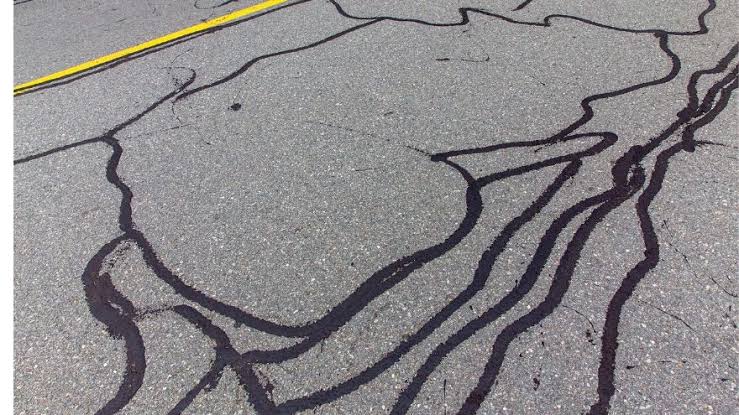
Property managers often schedule sealcoating to give a tired lot a fresh look, only to see thin lines reappear along the old cracks within a few months. The new coating splits, water seeps back into the pavement, and the sealcoat fails long before it should. That early failure usually traces back to the order of the work.
Crack filling should happen before sealcoating, and professional asphalt crack fill services handle that first step by cleaning and sealing the openings. Once the filler cures, the coating goes on as a final protective layer. Sealcoat alone is too thin to close an open crack, which leaves water a direct path into the base.
Why Crack Filling Should Happen Before Sealcoating?
Crack filling comes first because sealcoat is a thin protective coating that cannot fill gaps in the pavement. Treating the cracks beforehand gives the sealcoat a sound surface to cover and keeps water out of the base.
Sealcoat Cannot Fill or Bridge Open Cracks
Sealcoat goes down as a very thin layer that blocks sun, water, and oil on an intact surface. Over an open crack, that film either sinks into the gap or stretches across it without support. Once the pavement expands and contracts, the coating splits along the crack line and lets water into the base.
Crack Filler Needs Bare Asphalt to Bond Properly
Crack filler grips best when it touches clean, dry asphalt along the full depth of the crack. Proper bonding depends on three conditions:
- Crack walls cleared of dirt, weeds, and loose stone
- A fully dry surface with no trapped moisture
- Direct contact between the filler and the asphalt
Sealcoat applied first leaves a film on the crack walls that the filler cannot grip. Filler poured over that film tends to pull away as the pavement moves, leaving the crack open again.
Sealcoat Protects the Finished Crack Repairs
Applying sealcoat over cured filler adds a second layer of defense across the whole lot. The coating covers the filled lines, blends them into the surface, and shields the filler from UV rays that dry the material out over time. Sealed cracks keep water from softening the base, and crack and fog seals can extend the life of pavement by 1 to 4 years when the surface is still in sound condition.
What Happens When Sealcoating Comes First?
One common case involves a retail lot sealcoated in late summer with its cracks left open. For a few weeks, the surface looks uniform and freshly black. Once cooler nights arrive, the pavement contracts and the thin sealcoat splits along the old crack lines.
Through the winter, rain and melting ice run through those splits into the base. Freeze and thaw cycles widen the cracks further, and by spring, potholes may begin forming near the entrance.
Filling the cracks at this stage creates a new problem, since the sealant now bonds to the sealcoat film instead of the asphalt and starts peeling. The owner ends up paying for a sealcoat that failed early and for repairs on wider, more damaged cracks.
Which Cracks Need Filling Before Sealcoating?
Crack width decides the right treatment, and most cracks between 1/8 inch and 1 inch wide need filling before any sealcoat goes down. Hairline cracks and badly damaged areas call for different handling.
Crack sizes and their usual treatments break down as follows:
- Hairline cracks under 1/8 inch: Closed by the sealcoat during application
- Cracks from 1/8 inch to 1 inch: Cleaned and filled or sealed with hot-pour material
- Cracks wider than 1 inch: Repaired with a hot-mix asphalt patch
- Alligator cracking: Cut out and patched, since the base below has failed
Most commercial lots show a mix of these crack types, which makes a proper assessment the first step before any quote. Experienced providers of asphalt crack fill services also separate moving cracks, which need flexible rubberized sealant, from stable cracks that a lower-cost filler can close.
How Long Should Crack Filler Cure Before Sealcoating?
Crack filler needs a full cure before sealcoating, and the right wait depends mainly on the repair material and the weather. Fast-setting hot-pour sealant needs the shortest window, while some patch materials need several weeks.
Cure Times by Repair Material
Typical waiting periods for common repair materials are as follows:
| Repair Material | Ready for Traffic | Ready for Sealcoat |
| Hot-pour rubberized sealant | 15 to 30 minutes | 24 to 48 hours |
| Cold-pour emulsion filler | 30 minutes to several hours | 4 to 24 hours, per the product label |
| Cold patch | Soon after compaction | 4 to 6 weeks |
| Hot-mix asphalt patch | Once cooled, usually a few hours | Several weeks, per contractor advice |
A full cure also protects the life of the repair. Crack seals have a reported average performance life of about 3 to 8 years, and sealcoat applied over soft filler shortens that span by weakening the bond along the crack.
Commercial crews such as Satterfield Paving adjust the hot-pour cure period to the day’s temperature, giving the sealant extra time on cool or humid days. That extra time prevents soft spots and streaking under the new coating.
Signs the Crack Filler Is Ready for Sealcoat
Before the sealcoat goes down, crews confirm that the filler has cured by checking a few key signs:
- Firm Surface: The filler holds its form when pressed, with no soft or spongy spots.
- No Tackiness: Cured filler feels dry and does not stick to a scraper or shoe.
- Consistent Color: Many cold-pour fillers turn from brown to black as they cure, and lighter spots signal trapped moisture.
- Dry Pavement: The surrounding asphalt is free of dew, rain, and runoff that would weaken the sealcoat’s bond.
Skipping these checks is one of the most common causes of streaking and early peeling along filled cracks. Allowing an extra day in cool or humid conditions costs far less than redoing the sealcoat.
When Is Crack Filling After Sealcoating Acceptable?
Filling cracks after sealcoating makes sense in two specific situations. In both cases, the crack either formed after the coating went down or never needed separate filling.
New Cracks That Appear After Sealcoating
Pavement keeps moving after a sealcoat goes down, and new cracks can open months later from temperature swings or heavy loads. These cracks should be filled once they reach about 1/8 inch wide instead of waiting for the next sealcoat. The filled lines will stand out slightly until the next scheduled coat covers them and restores a uniform finish.
Hairline Cracks the Sealcoat Already Covers
Very fine surface cracks under 1/8 inch need no separate filling before or after sealcoating, since the sealcoat material flows into these shallow gaps during application. Property managers should still keep an eye on these areas. Hairline cracks that widen over time will need proper filling at the next maintenance visit.
6 Steps to Combine Crack Filling and Sealcoating Correctly
Scheduling both services as one project keeps the order right and limits the time the lot stays closed. A well-planned job follows the following six steps in sequence.
1. Inspect and Measure the Cracks
The process starts with a walkthrough to measure crack widths and lengths across the lot. Reliable asphalt crack fill services then provide a written quote showing which cracks need filling, patching, or no separate treatment.
2. Clean and Rout the Cracks
Compressed air clears dirt, debris, and weeds, and a hot air lance dries any remaining moisture. Working cracks get routed into a uniform channel that holds sealant better.
3. Fill or Seal the Cracks
Hot-pour rubberized sealant goes into moving cracks, while stable cracks receive a lower-cost filler. Crews level the material with the surrounding pavement to avoid thick ridges under the sealcoat.
4. Allow the Filler to Cure Fully
The lot stays fully or partly closed while the filler cures. Before moving on, the crew checks the repairs for firmness and dryness.
5. Clean the Surface and Apply Sealcoat
The crew sweeps the surface and treats oil spots to help the sealcoat bond evenly. One or two coats then go over the entire lot, covering the filled cracks along with the open pavement.
6. Let the Sealcoat Cure Before Restriping
Fresh sealcoat needs at least a full day of dry weather before vehicles return. Restriping follows once the coating has dried, completing the job within a single planned closure.
Dry weather and temperatures above 50°F give both the filler and the sealcoat the best conditions to cure properly. Early fall and late spring often provide that window across much of the Southeast.
FAQs
Can crack filling and sealcoating be done on the same day?
No, most crews avoid same-day work. Sealant applied hours earlier may be soft, and sealcoat placed over it can mix with the filler, leave streaks, and peel along crack lines. Scheduling the sealcoat for a later day protects both layers.
How often should cracks be filled between sealcoat cycles?
Most commercial lots benefit from a yearly crack inspection, with new cracks filled as they appear. Sealcoat cycles typically run two to three years, which means many lots need one or two rounds of crack filling between coats.
Conclusion
Crack filling belongs before sealcoating because the coating can only protect a surface that is already closed and stable. Filling first keeps water out of the base and prevents the early splitting that follows a reversed order. The cure period between the two steps matters just as much, and getting both right helps the sealcoat last its full cycle and protects the investment behind it.
Getting that order right is easier when one team handles both steps. Satterfield Paving provides asphalt crack fill services for commercial and institutional lots, routing and sealing working cracks with hot-pour rubberized sealant before any coating goes down. The same crew then completes the sealcoating and restriping within one lot closure, and later maintenance visits include a check of the earlier crack seals.
If you’re planning a sealcoat, contact Satterfield Paving for a free crack measurement and quote before the work is scheduled.
Read More: How Do You Know Which Parking Lot Services To Prioritize With A Limited Budget
