


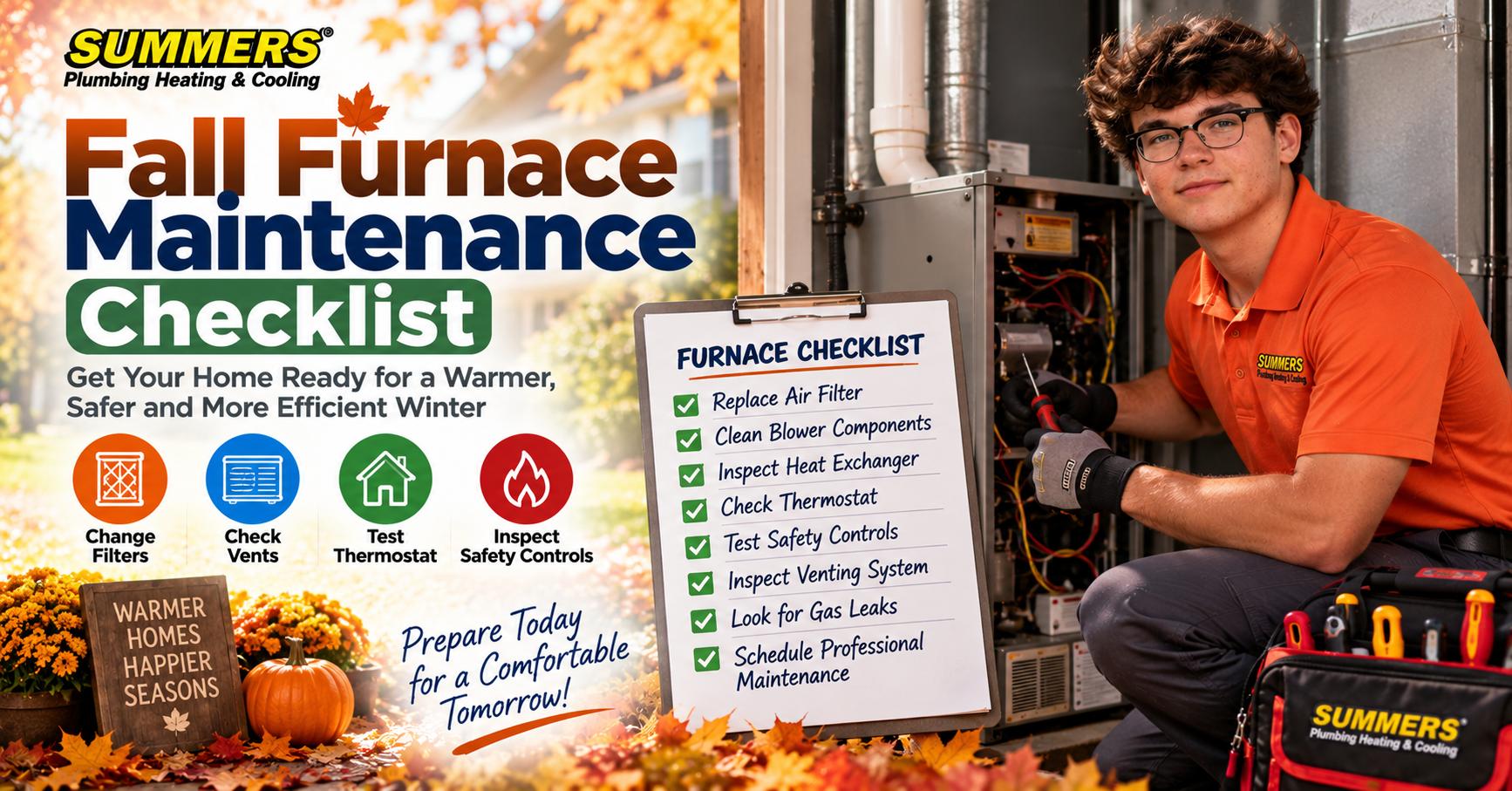
When a furnace stops heating properly, it is tempting to call for professional service immediately. While some problems require an experienced technician, others can be related to simple issues such as thermostat settings, a dirty filter, blocked vents, or interrupted power. Checking these basic items first can help you understand the problem and provide useful information to the technician.
Start With the Thermostat
The thermostat should be the first place to check. Confirm that it is set to Heat rather than Cool, Off, or Fan Only. Make sure the temperature setting is higher than the current indoor temperature so the furnace has a reason to start.
If the thermostat uses batteries, replace them if the display is weak, blank, or behaving unusually. Smart thermostats should also be checked for schedules, vacation modes, or other settings that could prevent the furnace from operating normally.
Inspect the Furnace Air Filter
A dirty or clogged filter can restrict airflow and contribute to overheating, poor heating performance, or safety shutdowns. Before arranging furnace repair Orange County homeowners should inspect the filter and replace it if it is visibly dirty, following the furnace and filter manufacturer’s recommendations.
Do not operate the furnace without an appropriate filter. A clean filter supports proper airflow and can help reduce unnecessary strain on the system.
Check the Power Supply
A furnace can appear to have failed when its power supply has simply been interrupted. Check whether the furnace’s nearby service switch is turned on and inspect the electrical panel for a tripped breaker.
If a breaker trips again after being reset, avoid repeatedly resetting it. Recurring electrical problems should be investigated by a qualified professional rather than treated as a simple furnace issue.
Look at the Vents and Return Grilles
Walk through the rooms and check the supply registers and return-air grilles. Furniture, curtains, rugs, boxes, or other household items can restrict airflow.
Blocked vents can make some rooms feel colder than others and may contribute to heating problems. Opening accessible vents and removing obvious obstructions is a simple step to take before scheduling a service visit.
Pay Attention to What the Furnace Is Doing
Instead of simply noting that the furnace is “not working,” observe its behavior. Does it fail to start at all? Does the blower run without producing warm air? Does it start and then shut down? Does it repeatedly turn on and off?
Frequent starting and stopping, known as short cycling, can be associated with airflow restrictions, thermostat problems, safety controls, sizing issues, or mechanical faults. Persistent short cycling deserves professional attention.
Listen for Unusual Sounds
Unusual sounds can provide helpful information. Whistling may be associated with airflow or duct issues, while rattling can indicate a loose panel or duct component. Loud ignition noises can indicate a combustion-related problem that should be professionally diagnosed.
Do not remove internal furnace components simply to investigate a noise. Instead, note when the sound occurs and describe it to the technician.
Check for Error Codes
Many modern furnaces have diagnostic lights or display codes. If your unit provides an accessible error-code chart, note the flashing pattern or displayed code rather than attempting to repair the component yourself.
Giving the technician the exact code can help them understand the furnace’s reported fault before they arrive.
Know When You Should Stop Troubleshooting
Some situations should not be treated as routine troubleshooting. If you smell gas, see smoke or soot, notice an abnormal burner flame, or hear a carbon monoxide alarm, leave the property and contact the appropriate emergency or utility service from a safe location. A suspected carbon monoxide problem requires immediate attention.
Similarly, repairs involving gas lines, combustion components, electrical controls, or internal furnace mechanisms should be left to qualified professionals.
Gather Important Information Before the Technician Arrives
Having a few details ready can make the service appointment more productive. Note the furnace’s make and model if they are readily accessible, the approximate age of the system, when the problem began, and what you have already checked.
Also record any error codes, unusual noises, temperature changes, or patterns such as repeated shutdowns. A clear description can help the technician narrow down possible causes.
Consider the Furnace’s Maintenance History
Think about when the furnace was last professionally inspected or serviced. If filters have not been changed regularly or the system has experienced repeated breakdowns, mention this during the appointment.
A history of frequent repairs can also be useful when discussing whether continued repairs or eventual system replacement should be considered. Furnace lifespan varies according to equipment, installation, maintenance, and usage, so the condition of the individual system matters more than age alone.
Choose Professional Help When Basic Checks Do Not Solve the Problem
Simple homeowner checks can sometimes identify an easy solution, but they cannot diagnose every furnace fault. If the thermostat, filter, power, and airflow appear normal while the furnace still fails to heat correctly, professional diagnosis is appropriate.
A qualified HVAC technician can inspect electrical controls, ignition components, combustion systems, airflow, heat exchangers, and other parts that should not be handled as DIY repairs.
Final Thoughts
Before calling for furnace service, take a few minutes to check the thermostat, filter, power supply, vents, and any accessible diagnostic information. These basic observations may resolve a minor issue or, at minimum, give the technician valuable information about the problem.
Most importantly, recognize the difference between basic troubleshooting and a safety-related furnace fault. When gas, carbon monoxide, combustion, or significant electrical problems are suspected, professional assistance should take priority over further DIY investigation.
