


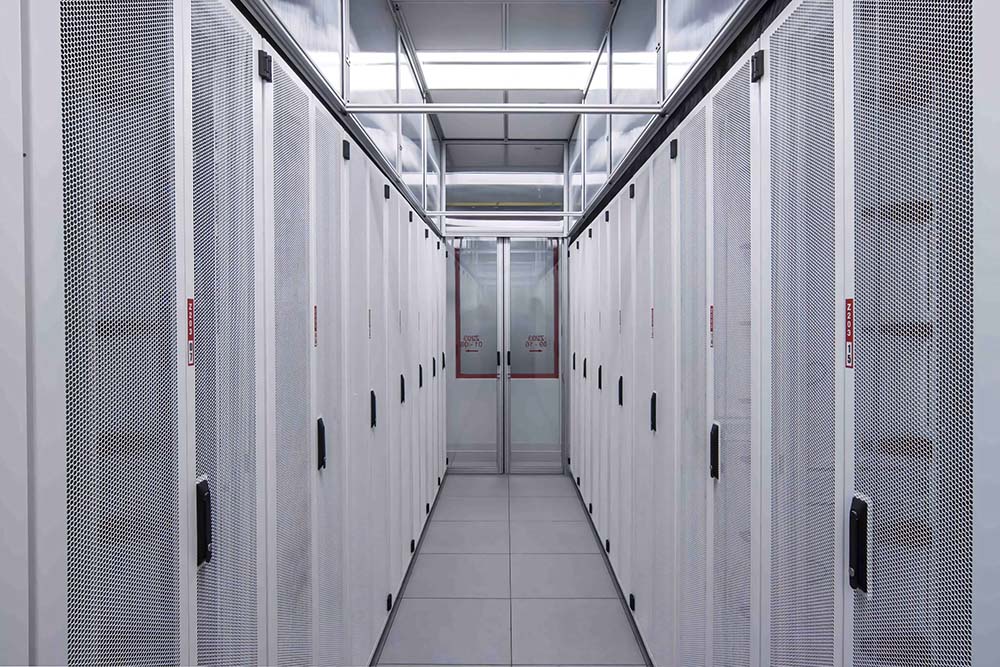
Data centres are engineered for precision. Every airflow system, cooling strategy, and infrastructure component is designed to maintain uninterrupted operations.
However, one critical factor is often underestimated: contamination control.
With the increasing adoption of hot aisle containment systems to optimise cooling efficiency, maintaining a clean and controlled environment has become essential. Even microscopic contaminants can accumulate over time, impacting both performance and operational reliability.
Professional clean room cleaning plays a vital role in protecting these mission-critical environments.
What is a Hot Aisle Containment System?
A hot aisle containment system is designed to enhance cooling efficiency by separating hot and cold air within a data centre.
How It Works
Hot exhaust air generated by servers is contained within a dedicated aisle, preventing it from mixing with cooled air.
Key Benefits
- Improved airflow management
- Increased energy efficiency
- Consistent cooling performance
Contamination Risk in Contained Environments
Because these systems are enclosed, contaminants can accumulate rapidly if not properly managed.
Why Clean Room Cleaning is Essential
In controlled environments such as hot aisles, even minimal contamination can have measurable consequences.
Impact on Cooling Efficiency
Dust and particulate buildup can obstruct airflow pathways, reducing cooling performance and increasing thermal load.
Risk to Sensitive Equipment
Microscopic contaminants can interfere with electronic components, potentially leading to system instability or failure.
Preventive Contamination Control
Professional clean room cleaning ensures safe removal of contaminants without reintroducing particles into the environment.
Common Contaminants in Hot Aisle Environments
Hot aisle containment systems may appear clean but often contain hidden contamination risks.
Dust and Airborne Particles
Continuously circulating within enclosed airflow systems.
Metallic Contaminants (e.g. Zinc Whiskers)
Microscopic conductive particles that can cause electrical faults.
Fibres and Construction Debris
Introduced during maintenance, upgrades, or installation work.
Without proper contamination control, these particles can compromise system performance and reliability.
Cleaning Methods and Best Practices
Cleaning in data centres requires precision, specialised equipment, and strict adherence to controlled procedures.
HEPA-Filtered Vacuuming
Removes fine particles without redistributing contaminants into the air.
Anti-Static Surface Cleaning
Prevents particle attraction and reduces electrostatic risks.
Subfloor and Cable Tray Cleaning
Targets hidden contamination in critical airflow pathways and infrastructure zones.
These methods ensure cleaning processes remain compliant with industry standards.
Cleaning Around Critical Equipment
Maintaining operational continuity is essential in mission-critical environments.
Non-Disruptive Cleaning Techniques
Cleaning is performed around live systems without interrupting operations.
Use of ESD-Safe Equipment
Prevents electrostatic discharge that could damage sensitive components.
Precision Handling
Ensures cables, racks, and active equipment remain undisturbed during cleaning processes.
Cleaning Frequency and Maintenance Planning
Clean room cleaning should be approached as an ongoing operational requirement.
Routine Cleaning
Manages daily dust accumulation and minor contaminants.
Deep Cleaning
Targets less-accessible areas, such as subfloors and containment structures.
Factors Influencing Frequency
- Equipment density
- Environmental conditions
- Operational intensity
A structured cleaning schedule supports consistent performance and long-term reliability.
Safety and Compliance
Data centres operate under strict regulatory and operational standards.
Industry-Aligned Cleaning Protocols
Procedures must follow cleanroom and contamination control guidelines.
Certified Equipment and Processes
Ensures safe and compliant cleaning practices.
Trained Specialists
Professional teams ensure all work is carried out without risk to systems or personnel.
Benefits of Professional Clean Room Cleaning
Investing in specialised cleaning services delivers measurable operational advantages.
Improved Cooling Efficiency
Maintains clear airflow pathways for optimal thermal management.
Reduced Risk of Equipment Failure
Minimises contamination-related disruptions.
Extended Asset Lifespan
Prevents long-term damage to critical infrastructure.
Enhanced Operational Reliability
Supports uptime, compliance, and cost efficiency.
Common Mistakes to Avoid
Even well-managed facilities can experience issues due to improper cleaning practices.
Use of Incorrect Cleaning Tools
Can introduce additional contaminants.
Neglecting Hidden Areas
Allows particle buildup in critical zones.
Infrequent Cleaning
Leads to gradual performance degradation and increased risk.
Maintaining Peak Performance in Hot Aisle Systems
Hot aisle containment systems are designed to optimise efficiency, but their effectiveness depends on proper maintenance.
Regular, professional clean room cleaning ensures:
- Controlled contamination levels
- Efficient airflow management
- Reliable system performance
In mission-critical environments, cleanliness is not optional. It is essential to operational success.
Protect Your Data Centre with Expert Cleaning Solutions
Data Clean Asia specialises in cleaning services for mission-critical and controlled environments, including data centres with hot aisle containment systems.
Our certified procedures, specialised equipment, and contamination control expertise ensure your facility remains compliant, efficient, and protected.
Protect your infrastructure and maintain operational reliability with expert support.
Request a consultation with Data Clean Asia today.
