


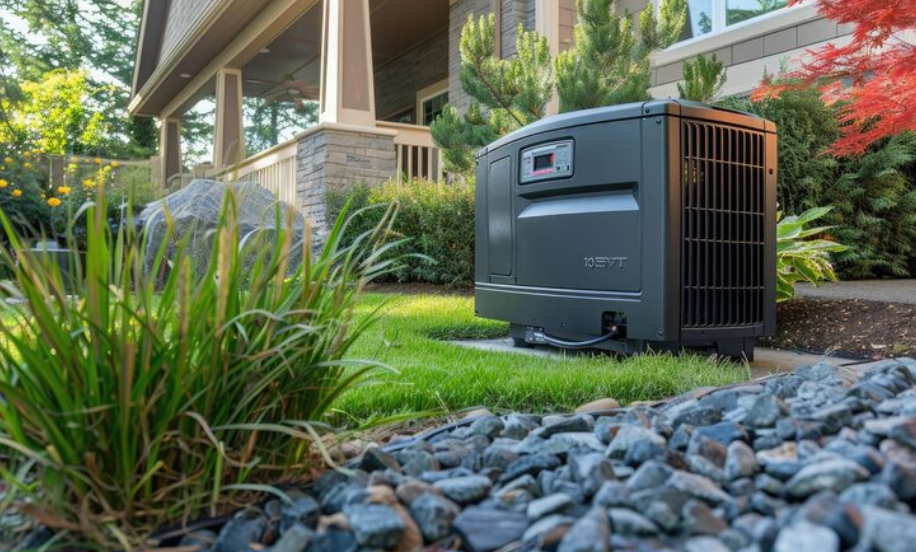
When unexpected power outages happen, daily life at home can quickly become difficult. Lights go out, appliances stop working, and important tasks get interrupted. In such situations, having a backup power source becomes very important. This is where generators play a key role. They help provide electricity when the main power supply fails, keeping essential devices running and maintaining comfort and safety in the home. Whether it is a short blackout or a long emergency, generators ensure that your routine is not completely disturbed.
Importance of Power Backup During Emergencies
Electricity is something most households depend on for almost every activity. From lighting and cooking to communication and security systems, everything needs power. During emergencies like storms, grid failures, or technical faults, power cuts can last for hours or even days. In these moments, generators become a reliable backup option. They help reduce stress and inconvenience by keeping the home functional even when the main supply is unavailable. This makes them an essential part of emergency preparedness for many families.
How Generators Provide Reliable Electricity
Generators work by converting mechanical energy into electrical energy. When the main power goes out, they can be started manually or automatically depending on the model. Once running, generators supply electricity to your home’s electrical system or selected appliances. This ensures that power continues to flow without major interruptions. Modern generators are designed to be more efficient and stable, providing consistent electricity that supports sensitive devices like computers, refrigerators, and medical equipment without causing damage.
Key Home Appliances That Stay Running
During a power outage, certain appliances become especially important to keep running. Generators help support essential devices such as refrigerators, fans, lights, and internet routers. Keeping the refrigerator running prevents food from spoiling, while fans or air conditioning systems maintain comfort during extreme weather. Lighting ensures safety at night, and internet access allows communication and access to information. In some homes, generators also support medical equipment, which makes them even more important during emergencies.
Benefits of Having Generators at Home
Having generators at home provides several advantages beyond just emergency backup. They offer peace of mind, knowing that your household will not come to a complete stop during power failures. They also help maintain productivity, especially for people working or studying from home. In areas where power cuts are frequent, generators can improve daily living conditions by reducing dependence on the main grid. Additionally, they help protect electrical appliances from sudden shutdowns, which can sometimes cause damage or data loss.
Choosing the Right Generator for Your Needs
Selecting the right generator depends on your household’s power requirements. Small homes may only need a basic generator to run a few essential appliances, while larger homes may require more powerful systems. It is important to consider fuel type, capacity, and efficiency when making a choice. Some generators run on gasoline, while others use diesel or natural gas. Noise level and maintenance are also important factors. Choosing the right generator ensures better performance and long-term reliability during emergencies.
Conclusion
Generators are an important solution for keeping homes functional during unexpected power outages. They provide backup electricity that supports essential appliances, maintains comfort, and ensures safety during emergencies. By understanding how generators work and selecting the right one for your needs, you can reduce the impact of power failures on your daily life. In a world where electricity is essential, having a dependable backup system offers security and peace of mind for every household.
