


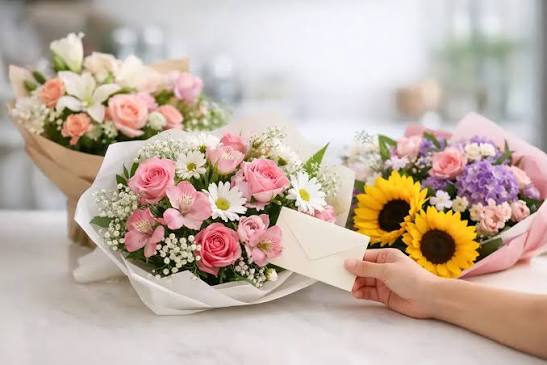
Flowers are one of the most natural ways to say thank you, but the choice of flower changes the feeling entirely. The right flower for thank you should reflect the reason for the gratitude, the relationship with the recipient, and their personal taste. Pink, peach, yellow, and pastel flowers are generally safer choices than strongly romantic colors for most appreciation scenarios. The process works best when you identify the occasion first, then choose the tone, match the recipient, select the bloom and color, and personalize the bouquet around what you know about the person.
Start With the Reason for Saying Thank You
Before choosing a single stem, identify what the recipient actually did. The size and style of the arrangement should reflect the level of gratitude:
- Small favor or everyday kindness: A simple hand-tied posy or a single-variety bouquet
- Hosting or entertaining: Something warm and cheerful that feels like a genuine compliment
- Professional help: A polished, restrained arrangement with orchids, white lilies, or tulips
- Emotional support: Soft pastel blooms with a personal note that acknowledges the specific help
- Major assistance or long-term guidance: A fuller arrangement or a potted plant that lasts
Let the meaning behind the gesture guide the flower for thank-you choice rather than choosing purely by appearance.
Consider Relationship With the Recipient
The relationship shapes everything. What looks warm and friendly for a close friend may feel awkward for a business contact. Here is the arrangement for the relationship.
For a Friend
Yellow roses, gerbera daisies, sunflowers, and mixed bright arrangements communicate warmth and friendship without crossing into romantic territory. Choose cheerful colors that match the energy of the relationship.
For a Teacher or Mentor
Orchids, lilies, irises, and tulips in lavender, white, peach, or soft pink suit a professional relationship built on respect and admiration. The tone should feel thoughtful rather than overly casual.
For a Coworker or Business Contact
Choose a moderate arrangement (tulips, carnations, orchids, or a restrained mixed bouquet) in white, yellow, or pale pink. The goal is appreciative without being too personal. For instance, the Coral Kissed arrangement by Growing Wild Manhattan Beach strikes that balance with warm peach and coral tones that read as professional but genuinely thoughtful.
For a Host
Tulips, hydrangeas, sweet peas, or a mixed seasonal bouquet express appreciation for hospitality. A vase arrangement removes that concern when the recipient is unlikely to have time for loose stems right after an event.
For a Family Member
Match the flowers to the person’s favorite colors and personality. Roses, hydrangeas, carnations, and sunflowers all work, and a personal note explaining the specific help makes any bouquet feel more considered than the flowers alone could.
3. Choose Flowers by Their Meaning
Different blooms carry different associations. The table below covers the most common thank-you flowers and what they typically convey:
| Flower | Suitable thank-you message |
| Pink roses | Gratitude, appreciation, admiration |
| Peach roses | Sincerity, warmth, and thoughtful appreciation |
| Yellow roses | Friendship, joy, and cheerful thanks |
| Gerbera daisies | Happiness, energy, and appreciation |
| Sunflowers | Positivity, loyalty, and admiration |
| Tulips | Warmth, elegance, and heartfelt gratitude |
| Hydrangeas | Genuine appreciation and heartfelt emotion |
| Sweet peas | Thankfulness and appreciation for a pleasant experience |
| Orchids | Respect, admiration, and refined appreciation |
| Carnations | Affection, gratitude, and lasting appreciation |
Flower symbolism varies by culture, color, and tradition, so meaning should guide the choice rather than act as a fixed rule.
4. Select the Right Flower Color
Color does as much work as the flower type in setting the tone of a thank-you arrangement.
Warm Tones: Pink, Peach, and Yellow
- Pink is a reliable choice for gratitude and admiration across most relationships: friends, mentors, family members, and professional contacts.
- Peach communicates sincerity and understated warmth, working well for hosts, coworkers, and thoughtful personal gestures.
- Yellow represents friendship and positive energy, making it ideal for casual thank you gifts and cheerful recipients.
Formal and Distinctive Tones
White creates a sincere, formal impression suited to professional arrangements. Lavender and purple suggest elegance and respect, appropriate for mentors or someone with sophisticated taste.
Use Red With Care
Deep red roses carry strong romantic associations and are better suited to relationships where that meaning is intentional.
Match the Bouquet to the Recipient’s Personality
The recipient’s personality often tells you more than any symbolism guide.
- Bright and mixed flowers suit energetic, outgoing people
- Soft pastels suit those who prefer calm, understated designs
- Orchids and lilies work for recipients with sophisticated taste
- Wildflowers and seasonal blooms suit people who enjoy natural, informal arrangements
Practical Details to Check First
If you know their favorite flower or color, use it. If they have allergies, fragrance sensitivities, or pets at home, factor that in before placing the order.
Choose the Right Arrangement Style
Different styles send different signals:
- Mixed bouquet: Warm, generous, and visually expressive. Allows several colors and meanings to combine.
- Single flower arrangement: Simple, polished, and focused. Best when the flower has a clear connection to the message.
- Small posy or hand-tied: Thoughtful without being excessive. Right for a casual favor, neighbor, or coworker.
- Vase arrangement: Practical for offices, hospitals, and busy recipients unlikely to have a vase ready
- Potted plant: Longer lasting. Suits teachers, coworkers, and environmentally conscious recipients.
- Seasonal bouquet: Fresh and personal. Often provides better value than rare or imported stems.
Consider the Setting and Delivery
Compact arrangements work better for offices, classrooms, and hospital rooms than dramatic statement bouquets. Choose a low fragrance option for shared spaces or recipients with sensitivities. Confirm the recipient’s availability before arranging delivery, and avoid sending flowers that may be left outside in extreme heat.
Same-day delivery suits urgent thank-you moments. For important events, schedule in advance to ensure the arrangement arrives at the right time.
Choose Flowers for Specific Thank You Occasions
Receiving help, hosting, or supporting someone through a difficult time each calls for a different approach. Pink roses, tulips, and mixed pastels cover most personal thank-you moments. For emotional support, soft peach, lavender, and gentle mixed blooms communicate care without feeling too celebratory.
- After receiving help: Pink roses, tulips, or mixed pastel flowers
- After hosting: Hydrangeas, sweet peas, or a cheerful mixed bouquet
- For emotional support: Soft pink, peach, lavender, or gentle mixed blooms
Professional and Formal Occasions
Professional thank-you flowers should feel appreciative without overstepping. Orchids, white lilies, and tulips in restrained palettes work across most workplace relationships. For a teacher or mentor, something slightly warmer (irises, carnations, or elegant seasonal flowers in soft pink) adds a personal touch that a corporate arrangement rarely achieves.
Long-Term or Significant Gratitude
When the gesture deserves something more substantial, a fuller arrangement, an orchid arrangement, or a potted plant communicates lasting appreciation better than a standard bouquet. For a referral or recommendation, yellow roses or polished tulips strike the right professional-but-warm note.
Add a Personal Thank You Note
The note does as much work as the flowers. Mention exactly what the recipient did and how it made a difference. “Thank you for everything” tells the person very little. “Thank you for stepping in at the last minute” tells them you noticed.
Matching Tone to the Relationship
Warm and conversational works for friends. Respectful and considered works for mentors or professional contacts. The tone of the note should match the flowers: a simple posy pairs with a casual note, a fuller arrangement with something more considered.
Flowers to Handle Carefully
Some choices need a second thought before ordering:
- Deep red roses for a colleague, teacher, or casual acquaintance
- Very dark arrangements for light, celebratory occasions
- Highly fragrant flowers for people with allergies or shared spaces
- Large bouquets for small offices, hospital rooms, or compact homes
- Flowers with cultural meanings that could be misread in the recipient’s context
FAQs
What is the best flower to say thank you?
Pink roses, peach roses, and tulips are the most reliable choices. Pink and peach tones express appreciation without romantic overtones. Yellow suits casual gestures. The right choice depends on the relationship.
What color flowers are best for saying thank you?
Pink, peach, and yellow are the most broadly appropriate colors. Pink conveys admiration, peach communicates sincerity, and yellow suits friendly gestures. White works in professional settings. Avoid deep red unless the romantic association is intentional.
Are roses appropriate as a thank-you gift?
Yes. Pink, peach, and yellow roses suit most thank-you occasions. Deep red carries strong romantic associations and is better reserved for situations where that meaning applies. Choose the color based on the relationship.
Takeaway
Choosing the right flower for thank you is mostly about paying attention: to what the person did, to your relationship with them, and to what they would actually enjoy receiving. The flower type and color matter, but they matter most when they reflect something real about the recipient rather than following a generic rule.
Thank you flowers work best when they feel chosen rather than ordered. Growing Wild Manhattan Beach designs every arrangement with that in mind, starting with the occasion and the recipient, then building something that reflects both. The stems are cut fresh the morning of delivery, so what arrives is always at its best rather than already days old. Every arrangement can be adjusted for color, style, and size to suit the relationship. If the thank-you is a quiet gesture or something more significant, the flowers should do justice to the moment they are marking.
