


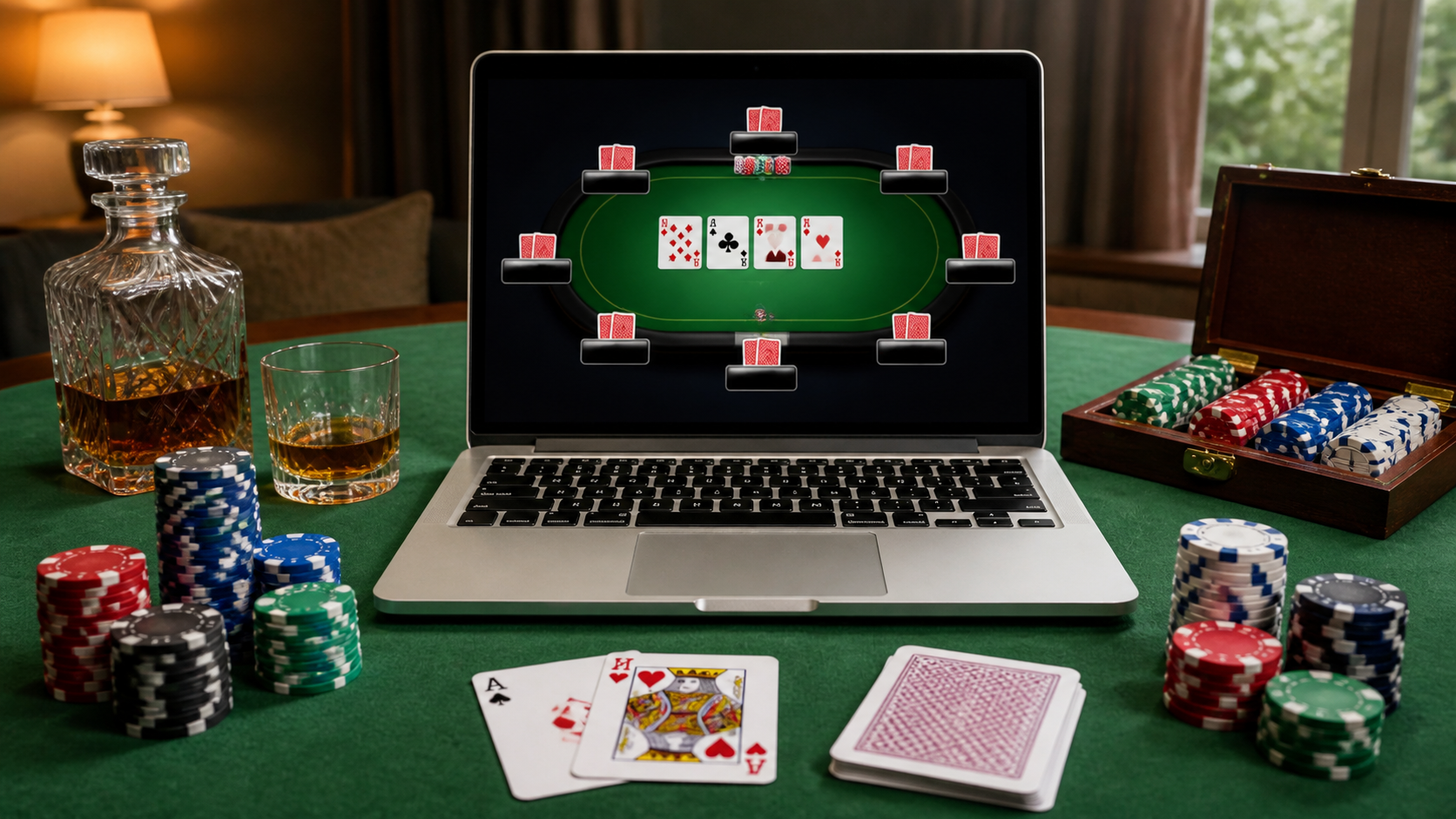
Playing poker for stakes changes the experience in a meaningful way. Decisions feel sharper, mistakes matter more, and the pace of play often becomes more disciplined than in casual home games. For many players, that added pressure is part of the appeal: every hand carries a mix of strategy, patience, and uncertainty that keeps the game engaging from the first deal to the final pot.
At the same time, moving from play-money tables or friendly games into cash play requires a more careful mindset. Bankroll awareness, table selection, and emotional control matter much more when chips represent real value. Anyone exploring online poker real money play should understand that long-term results usually depend less on dramatic moments and more on consistent, thoughtful decisions.
This guide focuses on the practical side of the game: what separates a solid approach from a careless one, how to choose tables wisely, and what habits can help players stay organized when the pressure rises. The goal is not to promise easy outcomes, but to outline the habits that make play more structured and manageable.
Understanding the Real-Money Poker Mindset
The first difference between casual poker and cash play is psychological. When chips have real value, many players become more cautious, while others become overly aggressive in an attempt to force action. Both reactions can distort decision-making. A useful mindset is to treat each hand as one part of a larger session rather than as a verdict on skill or luck.
That broader view matters because poker naturally includes swings. Even strong decisions can lose in the short term, and weak decisions can occasionally succeed. Players who accept that reality tend to make calmer choices. They are less likely to chase losses, more likely to fold marginal spots, and better able to notice when a table is becoming difficult.
A steady mindset also helps with focus. Real-money games reward attention to detail: betting patterns, position, stack sizes, and opponent tendencies. If a player is distracted or emotionally unsettled, those details are easier to miss. That is why the mental side of the game is not separate from strategy; it is part of strategy.
Choosing Games That Fit Your Skill Level
Not every table suits every player. A common mistake is assuming that any game with available seats is a good option. In practice, game selection often has a strong effect on how comfortable and sustainable play feels. A table filled with aggressive regulars can be very different from one with more casual players who make larger strategic errors.
For newer players, lower-pressure environments are usually easier to manage. That does not mean avoiding challenge forever; it means learning in games where decisions are clearer and less punishing. Over time, players can move into tougher games as their understanding improves. The important thing is to match the game to current ability rather than to wishful thinking.
Look for table conditions that support learning
Several practical factors can make a table more suitable:
- Players are not constantly forcing large pots without clear reason
- The pace allows enough time to think through decisions
- Stack sizes are manageable for your experience level
- You can observe patterns instead of feeling rushed every hand
These conditions do not guarantee success, but they can make the game easier to read. That matters because a player who understands the action is usually in a better position to make consistent decisions.
Avoid games that create unnecessary pressure
Some tables encourage poor habits. If the action feels chaotic, if the stakes feel uncomfortable, or if you notice yourself making automatic calls without real thought, it may be a sign to step back. A smart player does not stay in a difficult situation simply to prove toughness. Leaving the wrong game is often better than forcing a session that no longer feels manageable.
Bankroll Habits That Support Longer Play
Bankroll management is one of the most practical parts of real-money poker, yet it is often treated as an afterthought. A bankroll is simply the money set aside for poker, separate from everyday expenses. Keeping that separation is important because it reduces pressure and helps players make decisions based on strategy rather than urgency.
Good bankroll habits do not eliminate losing sessions, but they can make those sessions easier to absorb. When players use money they can comfortably risk, they are less likely to react emotionally to short-term results. That separation also makes it easier to review performance honestly, because every outcome is not tied to personal financial stress.
It is also helpful to define limits before a session begins. That may include a spending ceiling, a time limit, or a rule for stepping away after a difficult stretch. These boundaries are most useful when they are decided in advance, not in the middle of a frustrating hand. Once emotions rise, judgment often becomes less reliable.
- Keep poker money separate from daily living funds
- Set a clear session budget before playing
- Choose stakes that feel comfortable rather than stretched
- Pause when frustration starts affecting decisions
Players sometimes think bankroll management is only about protecting money, but it also protects decision quality. When the risk feels controlled, strategy is easier to apply consistently.
Core Strategic Habits That Improve Decision-Making
Strong poker strategy is usually built on simple habits applied consistently. Many players look for dramatic tricks, but steady improvement often comes from getting the basics right. Position, hand selection, pot control, and attention to opponents are all valuable because they shape the quality of each decision before the cards even matter.
Position is especially important. Acting later in a hand gives more information, which can make marginal situations easier to handle. Hand selection matters too, because not every starting hand deserves action. The goal is not to play extremely tight or extremely loose, but to choose spots that fit the situation rather than entering pots by habit.
Use position and patience to your advantage
Players who act later can often make more informed choices. That does not mean always playing aggressively, but it does mean using the extra information to judge whether a hand is worth continuing. Patience helps here as well. Folding more often than you play can feel passive, yet it often creates better opportunities later in the session.
Watch how opponents build their bets
Betting patterns can reveal a great deal. Some players become more cautious when pressure rises, while others remain aggressive even in poor spots. Paying attention to those tendencies can help you decide whether a call, fold, or raise makes sense. Even simple observations can be valuable if they are repeated consistently across several hands.
One of the biggest leaks in real-money poker is automatic action. Calling because it feels easier, raising because the last hand was lost, or chasing a vague sense of momentum usually leads to weaker results. Thoughtful players slow the process down enough to ask a basic question: what is this action meant to achieve?
Common Mistakes to Avoid at the Table
Many players do not lose because they lack knowledge; they lose because they repeat a few predictable mistakes. Recognizing those habits early can save frustration and make progress easier. Some errors happen because of emotion, while others come from overconfidence or inattention.
One frequent issue is playing too many hands. Another is ignoring table dynamics and treating every opponent as if they think the same way. A third is failing to adjust after a bad run, which can lead to chasing losses or forcing action that would otherwise be avoided. These mistakes are common because they are easy to fall into when the game becomes exciting.
- Playing hands that are too weak for the situation
- Calling too often without a clear plan
- Ignoring how a table has changed over time
- Letting emotions shape bet sizing and timing
- Continuing a session after focus has clearly faded
It also helps to review sessions honestly. Even a brief mental recap can show whether decisions were based on logic or impulse. That habit is useful because poker improvement often comes from noticing patterns in your own play, not just reading the table correctly.
Making Real-Money Play More Sustainable
Longer-term success in poker is usually built on consistency rather than intensity. Players who develop a stable routine tend to have a clearer sense of what helps them play well and what causes mistakes. That routine may include a warm-up period, a short review after the session, and a firm stop when focus starts to drift.
It is also wise to treat poker as a game of decisions, not outcomes. A good decision can lose, and a poor one can win. Focusing too heavily on a single result can distort the bigger picture. The more useful question is whether your process was sound and whether your choices matched the information available at the time.
For that reason, sustainable play is often quieter than people expect. It involves discipline, restraint, and a willingness to step away when the game no longer feels clear. Those habits may not look dramatic, but they are often what make the difference between scattered play and a more manageable approach.
Conclusion: A Smarter Way to Approach the Game
Online poker for real money works best when it is approached with structure, patience, and a realistic view of variance. The players who tend to handle it well are usually the ones who choose suitable games, protect their bankrolls, and stay alert to both table conditions and personal focus.
If you treat each session as a decision-making exercise rather than a chase for quick results, the game becomes easier to manage and more rewarding to study. That mindset does not remove uncertainty, but it does give you a better foundation for making practical choices at the table.
