


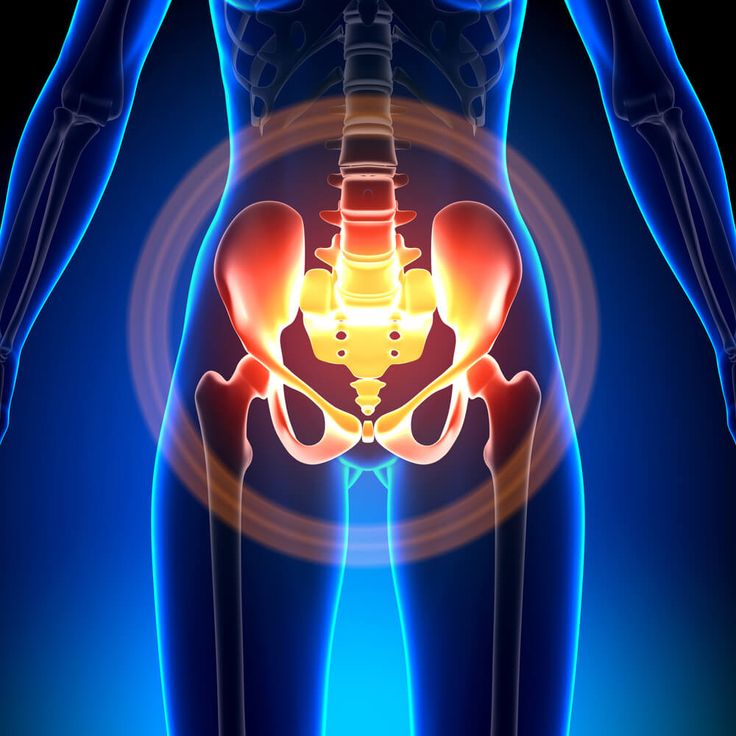
Pelvic floor dysfunction is a condition in which the muscles of the pelvic floor do not work properly. These muscles support the bladder, bowel, and reproductive organs, and help control urination, bowel movements, and core stability. When they become too weak, too tight, or poorly coordinated, it can lead to a wide range of uncomfortable symptoms.
Although pelvic floor dysfunction can affect anyone, it is more common in women, especially after childbirth, and in older adults. The condition is treatable, and many people experience significant improvement with the right care.
Understanding the Pelvic Floor
The pelvic floor is a group of muscles and connective tissues that form a supportive base at the bottom of the pelvis. These muscles act like a hammock, holding organs in place while also controlling openings for urine and stool.
Healthy pelvic floor muscles should be strong, flexible, and able to relax and contract on demand. When this balance is disrupted, dysfunction occurs.
What Is Pelvic Floor Dysfunction?
Pelvic floor dysfunction refers to a condition where the pelvic muscles do not function correctly. This may happen due to weakness, tightness, or lack of coordination.
There are two main types:
Hypertonic Pelvic Floor (Too Tight)
In this case, the muscles remain overly tense and have difficulty relaxing. This can cause pain and difficulty with normal bodily functions.
Hypotonic Pelvic Floor (Too Weak)
Here, the muscles lack strength and cannot provide adequate support to pelvic organs, leading to leakage or pressure issues.
Causes of Pelvic Floor Dysfunction
Several factors can contribute to pelvic floor dysfunction, including:
- Pregnancy and childbirth
- Aging and hormonal changes
- Chronic constipation or straining
- Heavy lifting or high-impact exercise
- Pelvic surgery or injury
- Poor posture and core weakness
- Stress and muscle tension
Often, it is a combination of factors rather than a single cause.
Symptoms of Pelvic Floor Dysfunction
Symptoms can vary depending on whether the muscles are too tight or too weak.
Common symptoms include:
- Urinary leakage or urgency
- Difficulty starting or stopping urination
- Constipation or bowel control issues
- Pelvic pain or pressure
- Pain during sexual activity
- Lower back or hip discomfort
- Feeling of incomplete bladder or bowel emptying
These symptoms may develop gradually and worsen over time if untreated.
Diagnosis of Pelvic Floor Dysfunction
A healthcare professional typically diagnoses pelvic floor dysfunction through:
- Medical history review
- Physical examination
- Pelvic floor muscle assessment
- Imaging tests in some cases
- Biofeedback testing
A pelvic health physiotherapist may also be involved in evaluation and treatment.
Treatment Options for Pelvic Floor Dysfunction
Treatment depends on whether the muscles are weak, tight, or both.
Pelvic Floor Therapy
Specialized physical therapy is one of the most effective treatments. It may include:
- Muscle strengthening exercises
- Relaxation techniques
- Manual therapy
- Breathing and posture training
Pelvic Floor Exercises
Exercises such as Kegels help strengthen weak muscles, while relaxation exercises help release tension in tight muscles.
Biofeedback Therapy
This technique uses sensors to help patients understand and control pelvic muscle activity more effectively.
Lifestyle Changes
Simple adjustments can reduce symptoms, such as:
- Improving posture
- Avoiding heavy straining
- Managing constipation
- Maintaining a healthy weight
Medications
In some cases, medications may be prescribed to relax muscles or improve bladder and bowel function.
Stress Management
Because stress can increase muscle tension, relaxation techniques such as deep breathing and mindfulness may help reduce symptoms.
Living with Pelvic Floor Dysfunction
Managing pelvic floor dysfunction often requires a combination of treatments and long-term habits. Improvement usually takes time, but many people experience significant relief with consistent care.
Regular exercise, proper posture, and awareness of pelvic muscle function can make a major difference in daily comfort and quality of life.
When to Seek Help
You should consider seeing a healthcare provider if you experience:
- Persistent pelvic pain
- Frequent urinary or bowel issues
- Difficulty controlling bladder or bowel movements
- Pain during intercourse
- Symptoms affecting daily activities
Early treatment often leads to better outcomes.
Final Thoughts
Pelvic floor dysfunction is a common but treatable condition that affects muscle control, comfort, and overall quality of life. Whether caused by weakness, tightness, or poor coordination, effective treatments are available, including pelvic floor therapy, exercises, and lifestyle changes.
With proper diagnosis and consistent care, most people can restore balance to the pelvic floor and significantly improve their symptoms and well-being.
