


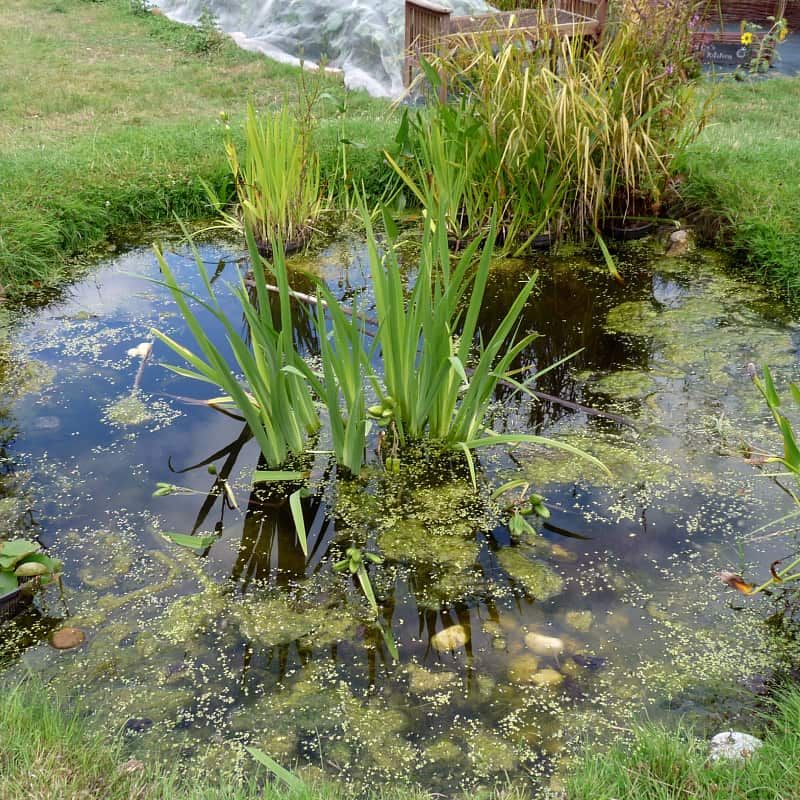
A pond can become a beautiful and lively feature in any garden, but the right plants can make it even more attractive and healthy. Pond Plants Explained: Types, Benefits, and Growing Tips provides a simple guide to choosing, planting, and maintaining aquatic plants for ponds of different sizes.
Why Are Pond Plants Important?
Pond plants do much more than add color and beauty. They can provide shelter for fish and other aquatic wildlife, help shade the water, and contribute to a balanced pond environment. Some plants also absorb excess nutrients from the water, which can help limit unwanted algae growth.
Plants can also soften the edges of a pond and create a more natural appearance. By combining different types of aquatic plants, you can create attractive layers both above and below the water.
Types of Pond Plants
Understanding the main categories of aquatic plants makes it easier to select suitable varieties for your pond.
1. Floating Plants
Floating plants remain on or near the surface of the water. Their roots may hang beneath the water while their leaves float on top.
Examples include water lettuce and duckweed. These plants can provide shade and cover for aquatic creatures. However, fast-growing floating plants may spread quickly, so regular thinning may be necessary.
2. Submerged Plants
Submerged plants grow primarily beneath the surface of the water. They are particularly useful because they contribute oxygen to the aquatic environment and provide underwater habitat for fish and small organisms.
Examples include hornwort and certain varieties of pondweed. These plants are generally best suited to ponds with relatively clear water and sufficient sunlight.
3. Emergent Plants
Emergent plants grow with their roots in wet soil or shallow water while their stems and leaves rise above the surface. Water lilies, cattails, and iris are common examples.
These plants are excellent for creating vertical interest around a pond and can provide shade and shelter. When choosing larger emergent species, consider their mature size so they do not overwhelm a small pond.
4. Marginal Plants
Marginal plants grow around the edges of ponds, where the soil remains consistently moist. Examples include marsh marigold, rushes, and certain ornamental grasses.
They are especially useful for creating a gradual transition between the pond and surrounding garden. Their foliage can also provide hiding places for frogs, insects, and other wildlife.
Benefits of Pond Plants
There are several practical and aesthetic reasons to include plants in a pond.
Improved Water Quality
Many aquatic plants take up nutrients from the water as they grow. This can help maintain a healthier pond environment when combined with appropriate filtration and regular maintenance.
Natural Shade
Plants with broad leaves can shade parts of the water, helping create cooler areas during hot weather. Water lilies are particularly useful for providing surface cover.
Wildlife Habitat
Pond plants create valuable habitat for frogs, insects, fish, and other wildlife. Dense vegetation around the edges can offer places for animals to rest, hide, or reproduce.
Enhanced Appearance
Different colors, textures, heights, and leaf shapes can transform an ordinary pond into a visually appealing garden feature. Flowering aquatic plants can provide additional seasonal interest.
Growing Tips for Healthy Pond Plants
Successful pond planting starts with selecting plants that match your pond’s conditions. Consider the amount of sunlight, water depth, climate, and available planting space before purchasing anything.
Choose Plants for the Right Depth
Different aquatic plants require different water depths. Check the recommended planting depth for each species and place containers or planting baskets accordingly.
Provide Adequate Sunlight
Many flowering aquatic plants require several hours of sunlight each day. If your pond is heavily shaded, choose species that tolerate lower light levels rather than expecting sun-loving plants to thrive.
Avoid Overcrowding
It can be tempting to fill a new pond with numerous plants, but overcrowding can cause maintenance problems. Give each plant enough room to grow and spread according to its mature size.
Use Suitable Aquatic Soil
Plants grown in pond containers generally benefit from heavy aquatic soil rather than ordinary lightweight potting mixes. Avoid soils containing excessive organic material or fertilizers that can leach into the water.
Control Fast-Growing Species
Some aquatic plants can multiply rapidly under favorable conditions. Remove excess growth regularly to prevent plants from covering too much of the pond surface or interfering with other vegetation.
Seasonal Pond Plant Care
Pond plants often need different care throughout the year. During spring, remove dead material and divide overcrowded plants when appropriate. Summer is usually the main growing season, so monitor plant growth and water conditions regularly.
In autumn, remove excessive fallen leaves and dying vegetation before they accumulate in the pond. In colder climates, some tender plants may need to be moved indoors or protected from freezing temperatures.
Common Mistakes to Avoid
One of the most common mistakes is choosing plants based solely on appearance without considering their growth habits. A plant that looks attractive in a garden center may eventually become too large for a small pond.
Another mistake is introducing too many plants at once. A balanced selection of floating, submerged, emergent, and marginal plants is usually more manageable than filling the pond with a single rapidly spreading species.
It is also important to avoid adding excessive fertilizer. Extra nutrients can encourage unwanted algae growth and negatively affect water quality.
Final Thoughts
Understanding Pond Plants Explained: Types, Benefits, and Growing Tips can help beginners create a healthier and more attractive water garden. Start by evaluating your pond’s size, depth, sunlight, and climate, then choose plants that naturally suit those conditions.
With thoughtful plant selection, proper spacing, regular maintenance, and seasonal care, pond plants can provide beauty, shade, wildlife habitat, and valuable support for a balanced aquatic environment.
